



When AI Meets Character Storytelling: New Approaches to Digital Identity
Characters are evolving beyond simple images in digital media.
A well-developed character has a distinctive look, personality, background, and style that may evolve throughout many different scenes.
AI makes it easier for creators to be able to create and develop these processes.
Creators can experiment and test out various ideas for their character, test out different ways to present them, and generate storylines or environments for their characters.
In addition, specialized platforms, including
Start With Character Intent
Create your character design by first determining what you want the character to communicate. Is the character confident? Mysterious? Energetic? Thoughtful? Approachable?
By establishing that intention, you are able to make your subsequent choices of appearance, clothing, expression, posture, and setting based upon it, which will result in a more meaningful and cohesive character design.
Build Around Distinctive Features
One detail is sufficient for creating a distinct character.
Some designers are able to create distinctive characters using a single hairstyle, a combination of colors, a single clothing item (such as a hat), or one accentuating facial feature.
Designers can try various designs until finding the right design that provides the level of distinction desired by the designer.
Use Scenes to Reveal Personality
When you place your characters in various types of scenarios, you may be able to see how their personalities develop.
You do not have to rely just on a portrait; use other areas such as different settings and things that create an activity for the character, that will help reveal how the character acts.
Explore Relationships Through Visual Storytelling
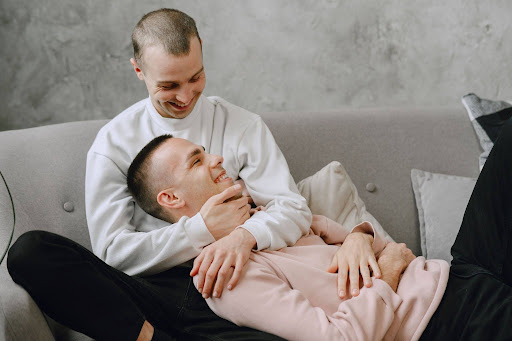
Characters can also become more interesting when they exist alongside others.
Composition, distance, expressions, and body language can communicate connections between fictional characters without relying entirely on dialogue.
AI can help creators experiment with different arrangements and discover which visual approach best supports the intended scene.
Let the Environment Influence the Design
The character’s appearance & feeling is influenced by their surroundings.
Design directions in modern settings are likely to be visually different than design directions for futuristic/fantasy settings.
Combining the elements of both character design & environment results in an overall image that has more cohesion.
Experiment With Different Moods
Depending on the environment or “atmosphere” that is created, the same character may have a completely different impact.
Atmospheres may be developed by using lighting, weather conditions, colors, time of day, and composition.
By experimenting with various combinations, creators can identify which combination(s) will support their character and the story they wish to tell.
Turn One Concept Into Multiple Directions
A simple idea of a single character can result in multiple ideas.
Creators can create as many different looks for their character (e.g., clothes, places, expressions, angles of view, poses, light, art treatment) that still have the recognizable core characteristics of their original character.
The possibility of creating so many different views of one single character gives the creator multiple opportunities to show the same character in different settings, rather than having to develop a completely new character for each setting.
Specialized AI Is Creating New Creative Niches
Generative AIs are increasingly being developed to create content specifically targeted toward certain audiences and categories of content;
Illustration, Character Development, Animation, Video, and Digital Storytelling are some of these categories, with platforms like
Unexpected Results Can Improve the Original Idea
AI does not always produce exactly what the creator imagined.
Sometimes an unexpected result can reveal a stronger direction. A different background might create a better atmosphere, while an unusual visual detail could become an important part of the character.
These discoveries can influence future generations and help the concept evolve naturally.
Build a Recognizable Visual Language
Projects involving multiple images benefit from recurring visual elements.
A consistent color palette, character appearance, lighting approach, or environmental style can connect separate creations.
At the same time, individual scenes can remain different enough to keep the project visually interesting.
AI Can Support Creative Planning
Generative tools can be useful before a final image is produced.
Creators can develop rough concepts, explore possible compositions, and test different character directions before committing to a larger project.
This makes AI useful as a creative planning tool rather than simply a final-generation system.
Human Direction Remains Central
AI can provide numerous possibilities, but the creator decides which ones are worth pursuing.
They determine the character’s identity, select the strongest concepts, refine the results, and establish how different creations should connect.
The technology expands the creative options, while human judgment determines the final direction.
From Characters to Larger Worlds
A well-developed character can eventually become part of a much larger fictional setting.
Creators can introduce recurring locations, supporting characters, visual themes, and connected scenes.
Individual generations can then become pieces of a broader creative project.
Final Thoughts
AI has opened doors for creators in developing their own style of character development by allowing it to be experimented with rather than having to follow a plan that has been set out from the start.
By exploring a character’s appearance, environment, mood, relationship to other characters, and visual style, there are many ways to create growth in a character and still maintain who they are as an individual.
