


The Stigma Gap: Why Vibrators Went Mainstream but Men’s Toys Still Hide in the Drawer
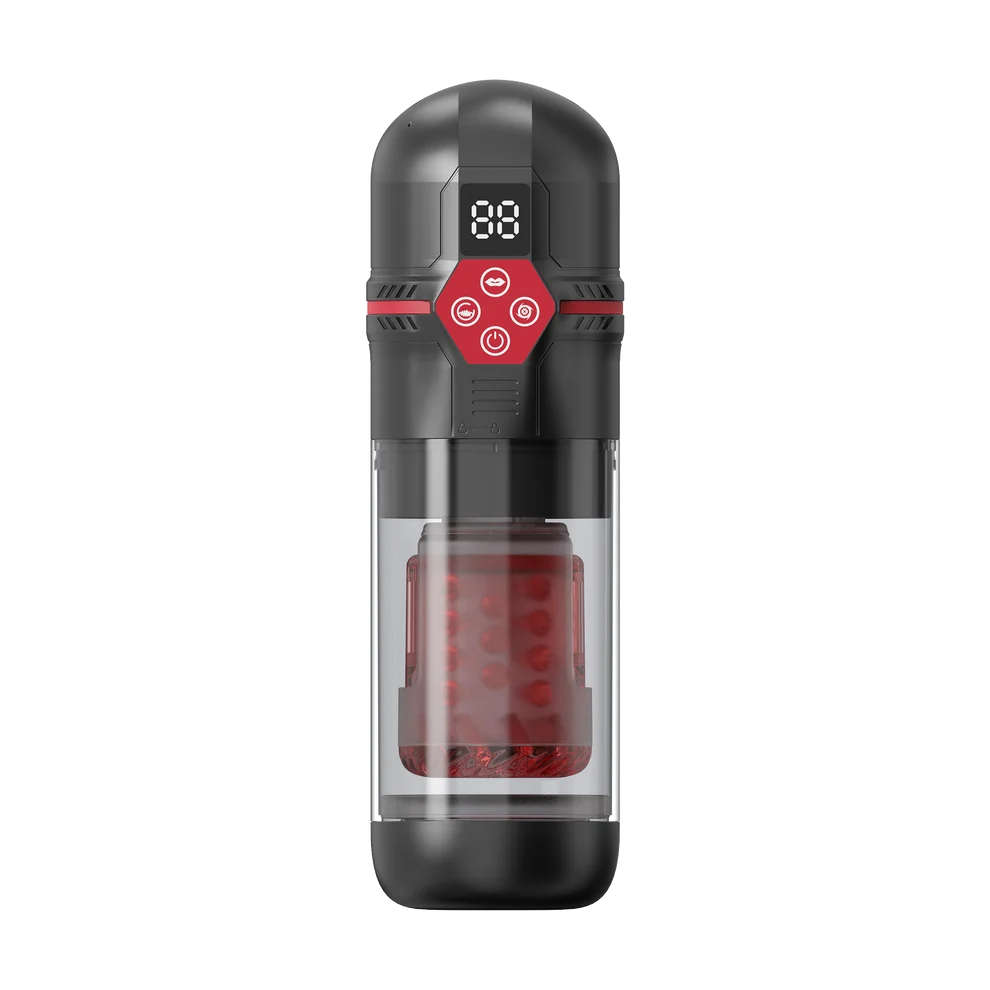
Picture two nightstands. In the first one there is a rose gold vibrator that its owner will happily mention at brunch, review online under her real name, and recharge on the same shelf as her electric toothbrush. In the second one, buried under a stack of old phone chargers, is a stroker that its owner has never mentioned to anyone, and would sooner throw away than let a partner discover.
Same category of product, same basic purpose, completely different social rules. That gap is not about the toys themselves. It is about a story we have been telling about men, women, and pleasure for decades, and it is worth pulling apart.
How vibrators got their glow up
Vibrators did not always live in the daylight. For most of the twentieth century they were sold through the back pages of magazines and wrapped in euphemisms about “personal massage”. What changed was a long, deliberate rebrand. The famous Sex and the City rabbit episode in 1998 put a vibrator on primetime television as something aspirational rather than shameful. Sex educators and feminist retailers reframed women’s pleasure as self care and empowerment.
Design-led brands made toys that looked like sculpture instead of anatomy. Mainstream retailers followed the money, and today you can buy a vibrator in the same shop as your vitamins.
The result is that a woman who owns a vibrator is seen as someone who knows what she likes. The marketing, the media coverage, and the packaging all agree with her.
Meanwhile, in the men’s aisle
Men’s toys never got that rebrand. They got American Pie. For years, the cultural reference points for male masturbation toys were punchlines: the desperate guy, the lonely guy, the guy who “couldn’t get laid”. Where a vibrator signals self knowledge, a stroker was made to signal failure.
The logic underneath is a pretty bleak view of male sexuality. Men are assumed to need nothing more than a spare ninety seconds, so any tool or upgrade must mean something is wrong. Women’s pleasure gets framed as complex and worth investing in, while men’s gets framed as simple, automatic, and slightly embarrassing to think about. It tells men their sexuality deserves zero curiosity, and it keeps a whole category of genuinely good products hidden in drawers.
The numbers make the double standard obvious. Industry surveys consistently find that men buy and use toys at rates far closer to women than the shelf space suggests, and search data shows steady global demand. So, the interest is there.
The Japan exception
If the stigma were natural or inevitable, it would look the same everywhere. It does not, and Japan is the proof.
In 2005 a former car salesman named Koichi Matsumoto founded Tenga with an almost activist mission statement: to bring masturbation “to the forefront”, to make it something that could be discussed and designed for openly. Tenga products looked nothing like the novelty toys of the era. The original Tenga Cup looked like something Muji or Apple might ship, with clean typography and zero anatomical imagery. That design choice was the whole argument: this is a normal consumer product for a normal human activity.
It worked. Tenga has sold well over one hundred million items worldwide, collaborates with artists and fashion brands, and sits openly on shelves in mainstream Japanese retail alongside skincare and gadgets. In Japan, the category even has its own unremarkable everyday vocabulary, and buying an onacup carries roughly the drama of buying shampoo. Japan did not eliminate a universal shame. It simply never agreed to attach that shame to a well designed product, and the market responded.
The lesson from Tenga is that the stigma gap is cultural, not biological. Change the design, the language, and the shelf, and you change the meaning.
The gap is finally closing
The West is slowly running the same playbook. The sexual wellness boom that legitimised vibrators is expanding to include men, helped along by more open conversations about performance anxiety, death grip, stamina training, and sexual health in general. Sex therapists now recommend toys to men for exactly the same reasons they recommend them to women, variety, body awareness, and better partnered sex.
The products have caught up too. A new generation of male masturbators looks more like consumer tech than gag gifts, with body safe materials, discreet design, and engineering that takes men’s pleasure as seriously as any premium vibrator takes women’s. When the product itself stops apologising, the owner can too.
So what actually needs to change
Retail will keep normalising what sells, so the biggest shift left is conversational. The same energy that made it normal to recommend a vibrator to a friend needs to apply in the other direction. Reviews written under real usernames, honest talk between partners, and coverage that treats men’s toys as wellness rather than comedy all chip away at it.
Japan showed that none of this is fantasy. A culture can decide, product by product and conversation by conversation, that men’s pleasure is not a punchline. The vibrator crossed that bridge twenty years ago. The stroker is halfway across, and the only thing slowing it down is a story that was never true in the first place.
